© Adagp, Paris / Cnap
Mangrove School
Mangrove School
Filipa César e Sonia Vaz Borges
2022
34’
34’
às 22h00
Sessão Mundos partilhados
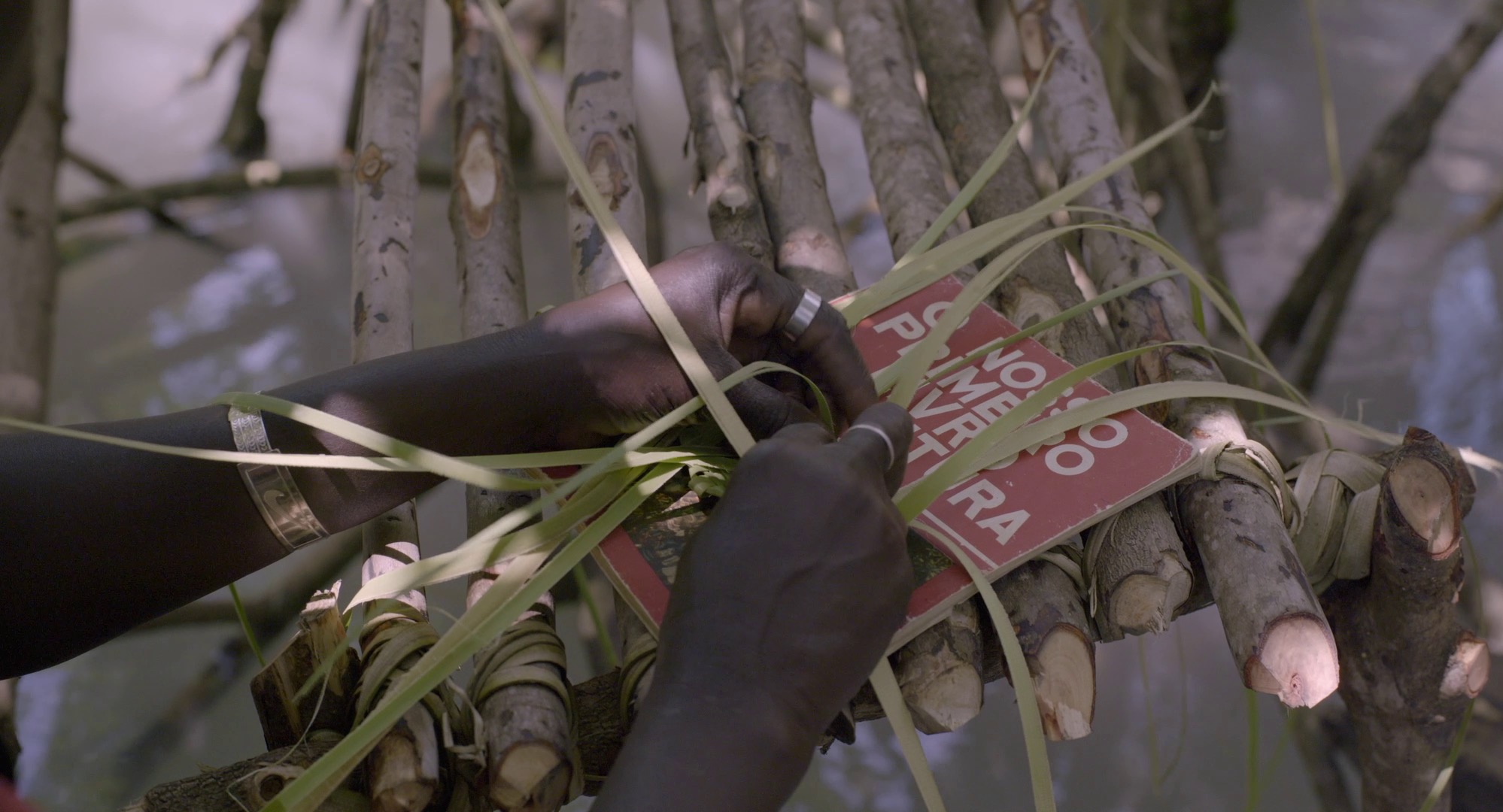
Com o projeto Mangrove School, Filipa César prossegue uma investigação que cruza o olhar documental com uma perspetiva subjetiva, centrando-se aqui nas relações entre história, memória, imagem e narrativa, a partir da questão da educação enquanto forma de emancipação. Sobre este novo filme-ensaio, escreve: «Regressámos à Guiné-Bissau para investigar, desta vez, as condições dos estudantes nas escolas da guerrilha, no coração dos mangais. Rapidamente nos tornámos nós próprias aprendizes, e a primeira lição foi saber como caminhar. Se caminharmos em linha reta, pousando primeiro os calcanhares no chão, escorregamos e caímos facilmente nos diques dos arrozais inundados do mangal, ou ficamos presas na lama.».
Filipa César e Sonia Vaz Borges filmam estes territórios como infraestruturas de uma arquitetura em rede. Neles inscrevem corpos jovens em aprendizagem, a quem é transmitido o legado da luta anticolonial e a experiência deste ambiente. As cineastas reconfiguram a planta enquanto espaço de transmissão e de educação radical, atenta à memória das lutas. O filme torna-se, assim, um manual de envolvimento com os seus ramos.
NESTA SESSÃO
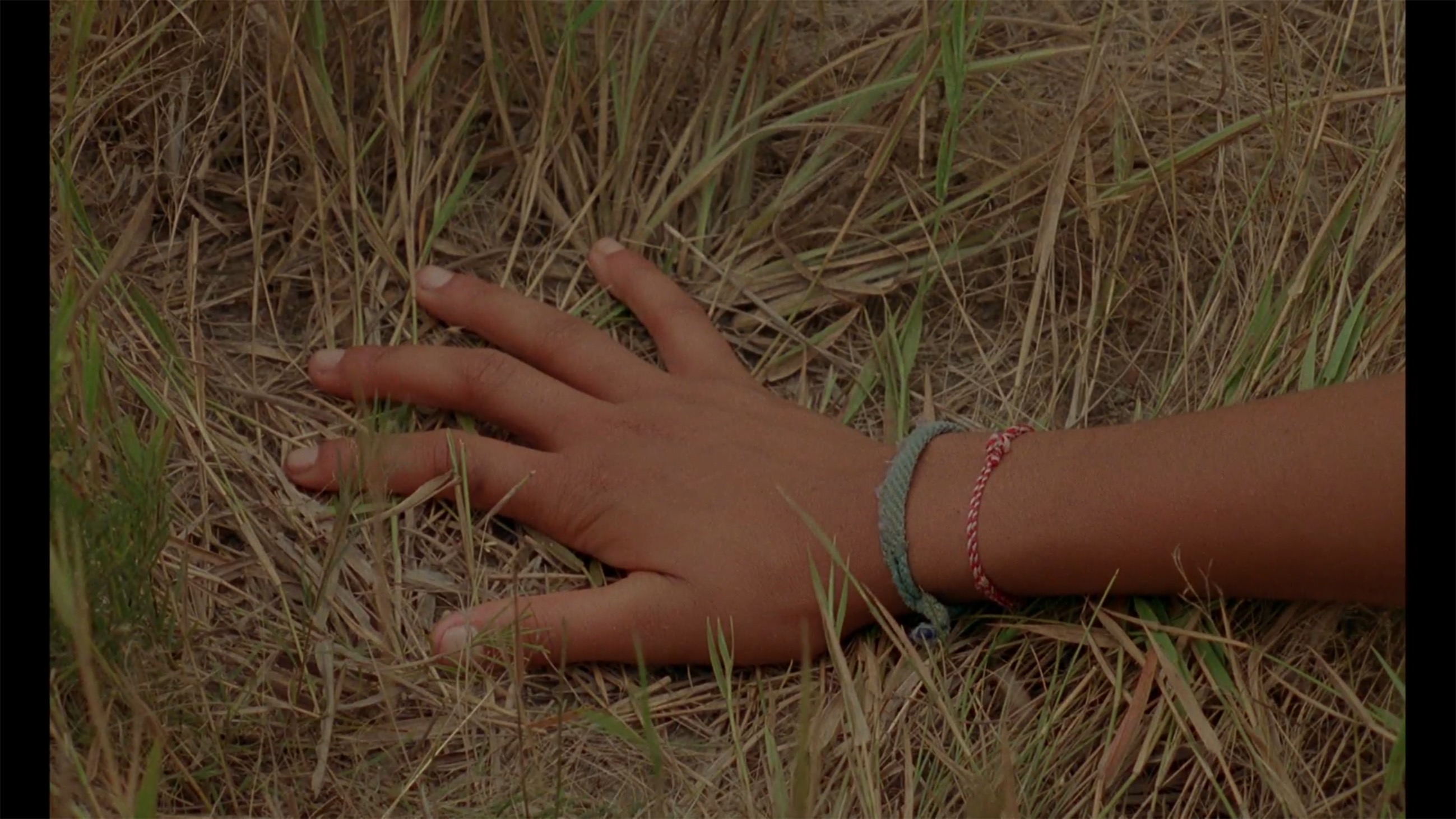
Há Terra!
Ana Vaz
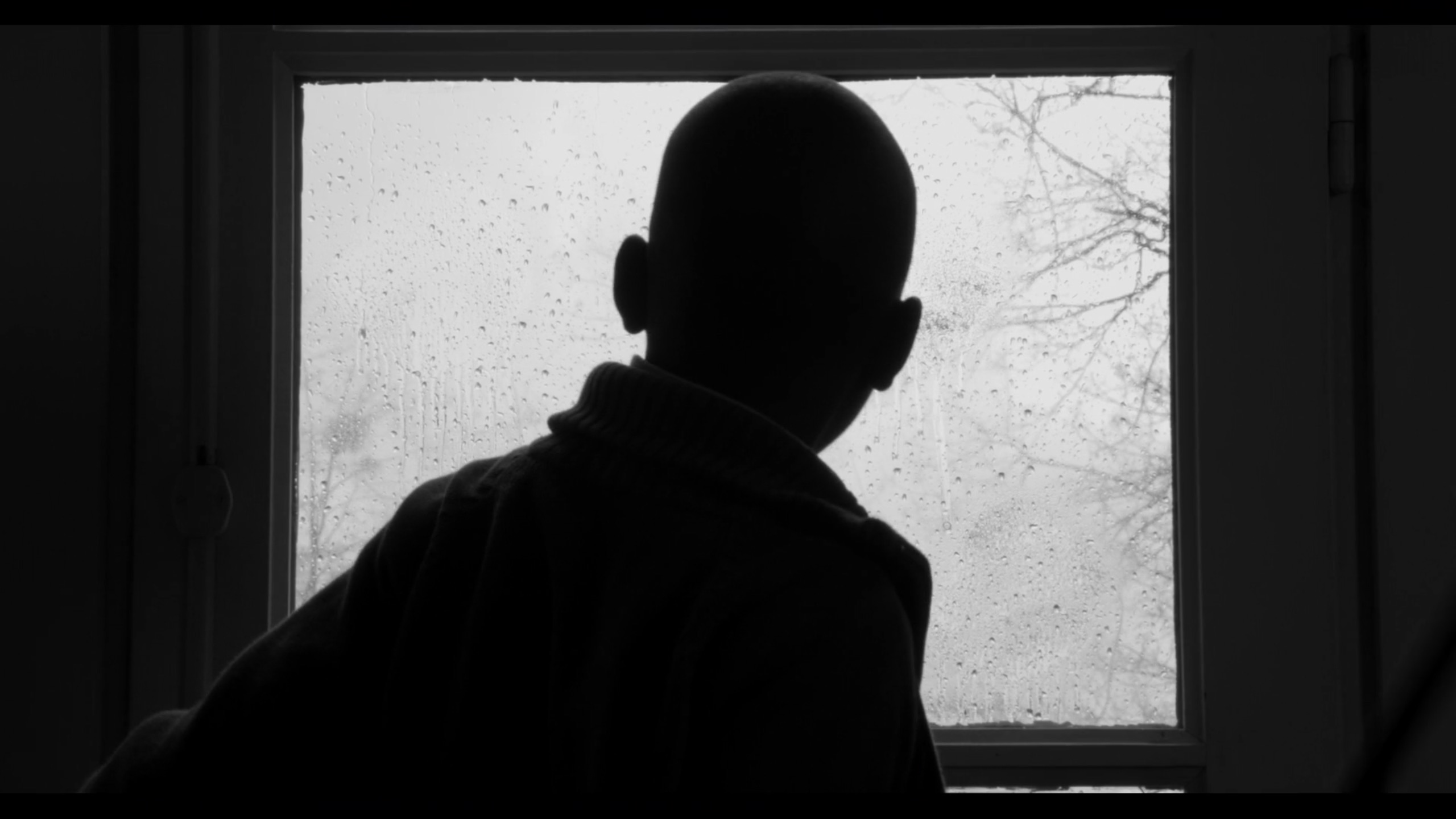
La Tempête
Dania Reymond