©Izabelle Louise
A cura que corre nas veias dos kurumin
A cura que corre nas veias dos kurumin
Izabelle Louise
2026
4’37’’
4’37’’
às 22h00
Sessão Sessão Open Call
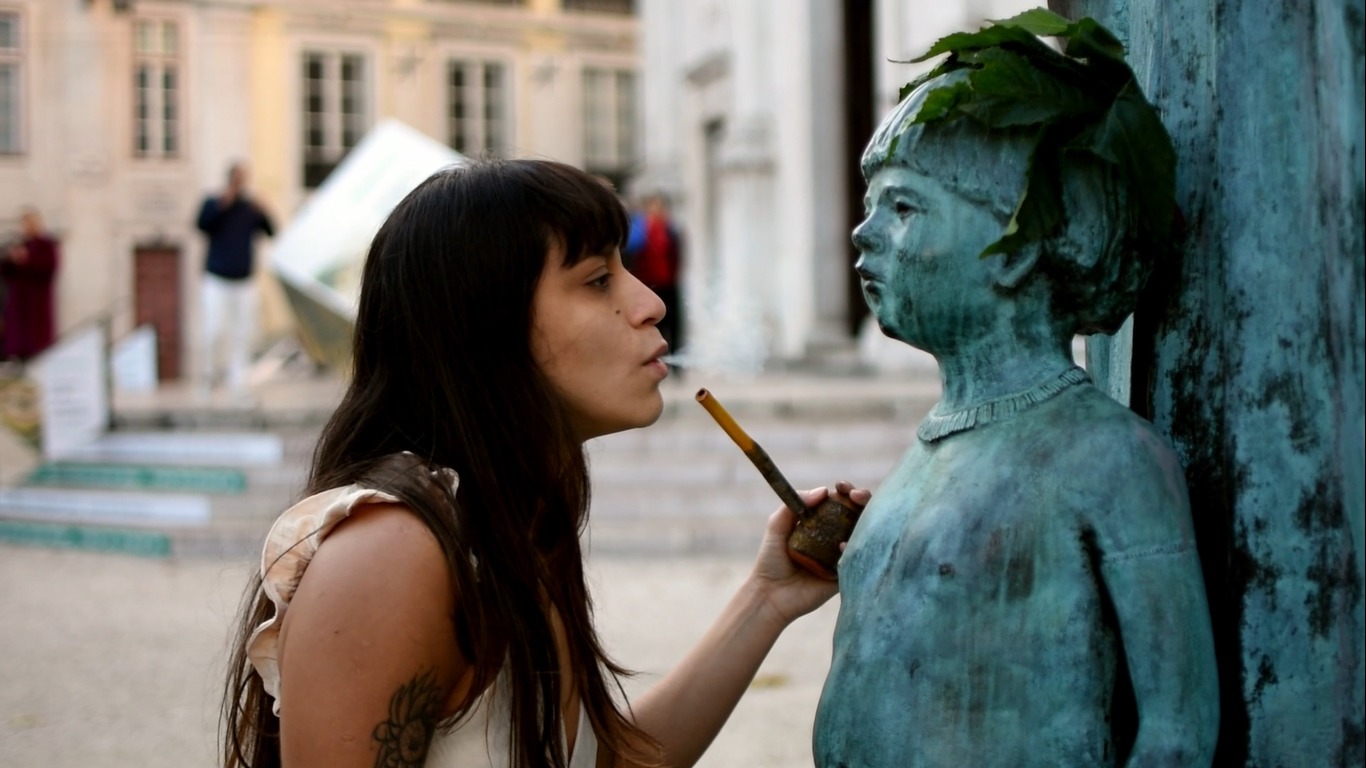
Esta obra conflui do encontro corporal- ritual com a artista de origem indígena Tremembé com a única estátua indígena em Portugal. Partindo da estátua colonial do Padre António Vieira, situada no espaço público de Lisboa, para problematizar as continuidades do imaginário colonial e a violência simbólica inscrita nos monumentos. A obra articula palavras, gestos e som como formas de reencantamento e confronto, transformando o espaço monumental em território de cura e memória, por meio da ativação desses seres encantados.
O texto performado convoca perspetivas contra-coloniais silenciadas ao longo de mais de quinhentos anos de colonização, questionando os processos de apagamento, catequese forçada, batismo e desumanização inscritos tanto na história quanto na iconografia da escultura. Ao interpelar os corpos ajoelhados representados na obra escultórica, a performance devolve-lhes movimento, nome e ancestralidade, rompendo com a narrativa paternalista e com as categorias coloniais. Por fim, é ofertado água, mel, milho e luz para que os kurumin corram mata adentro.
Direção e roteiro: Izabelle Louise; Fotografia: Fernanda Leme; Edição: Tatiana Nequete
NESTA SESSÃO
Ainda (não) em casa
Kateryna Kondratieva

Anatomia do deserto
Nuno Cera

Cobra verde
Náhir Capelo
Count
Daniele Grosso
Entre Seres
Susanne Themlitz

Filme Pin
Maria Rojas Arias e Andrés Jurado
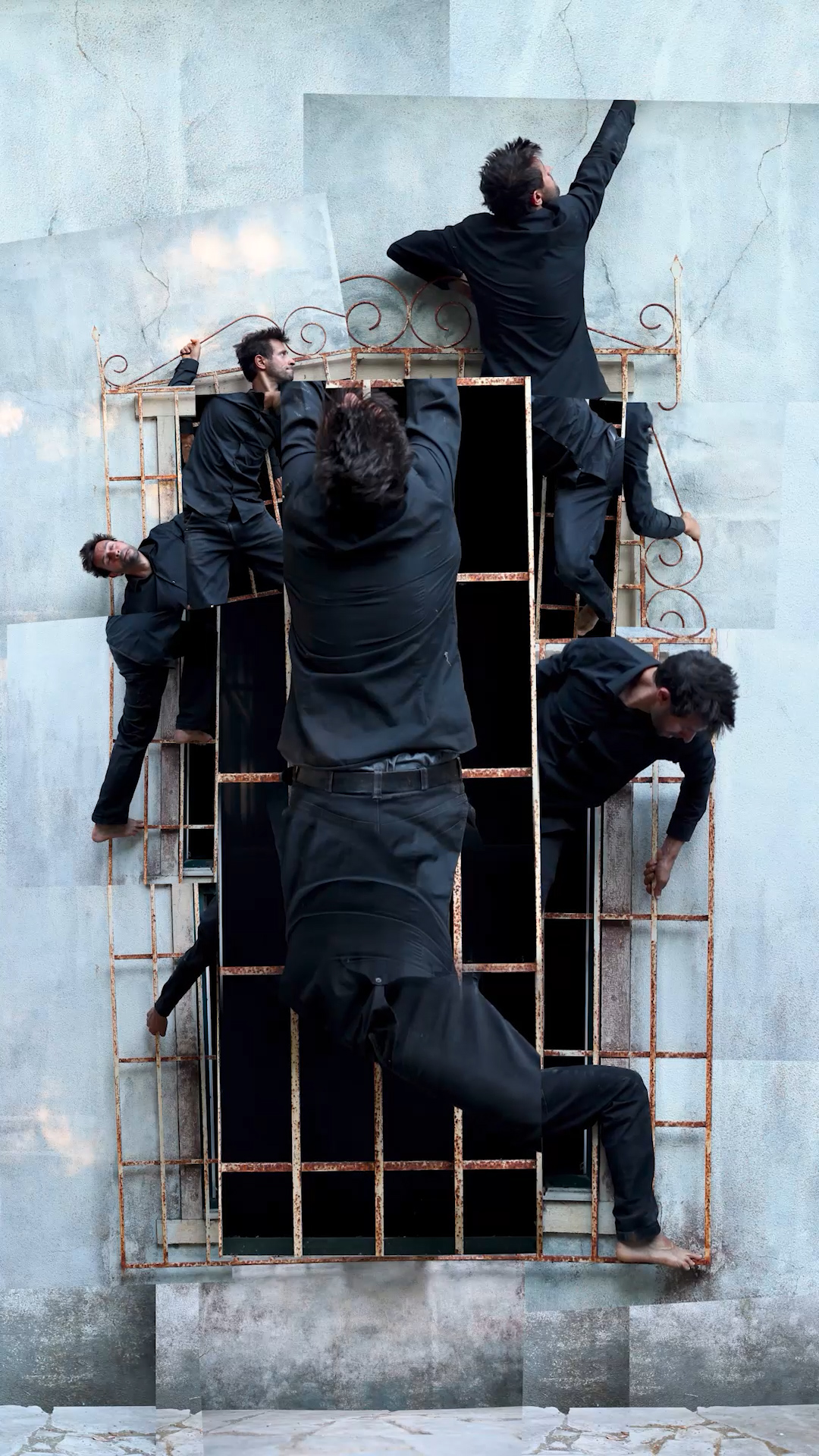
Janela
Nuno Lacerda

lil~mér~maid~~ ~
S4RA

m'estimaries igual si fos una roca?
Diogo da Cruz
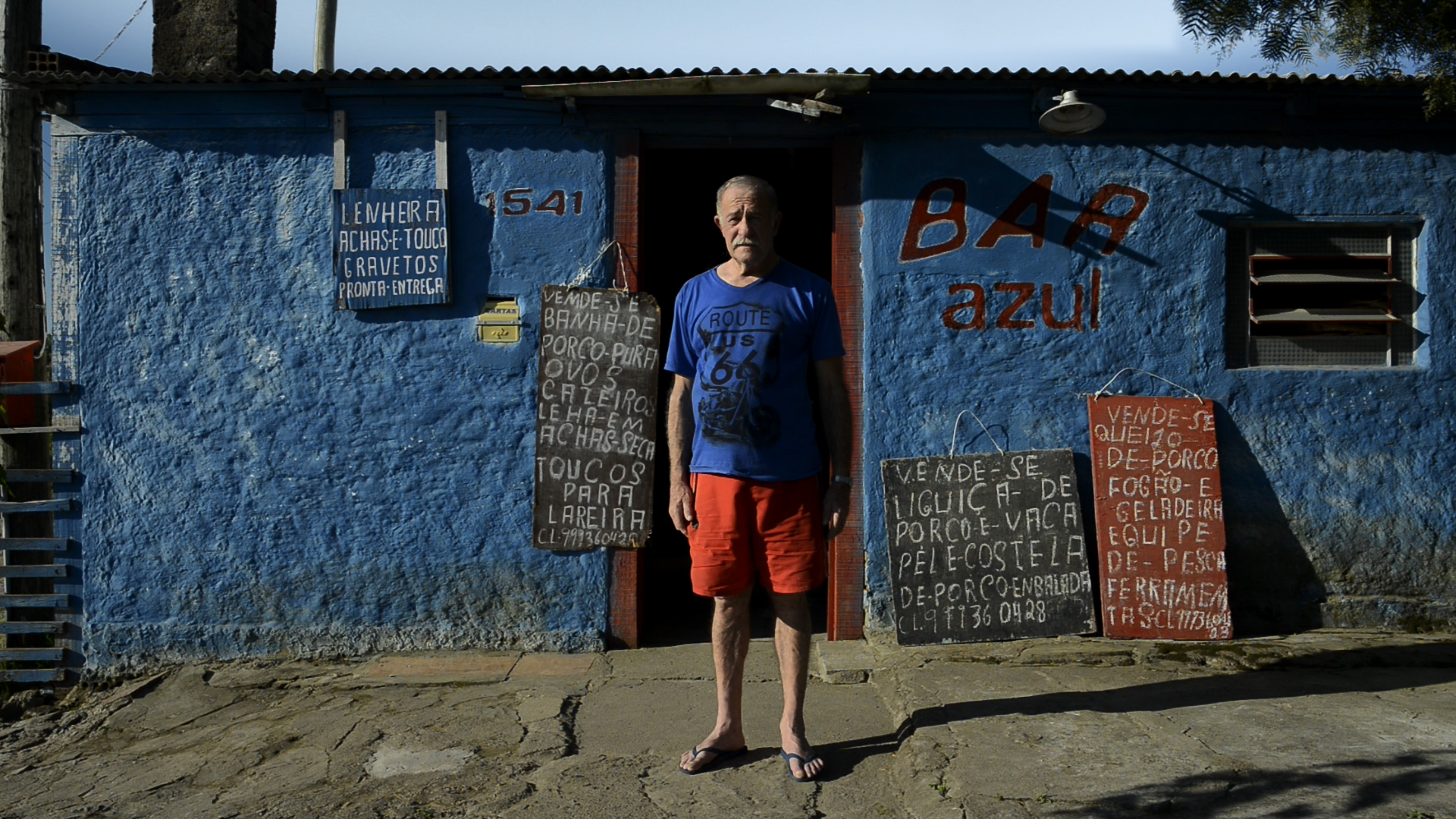
Outros
Bruno Gularte Barreto
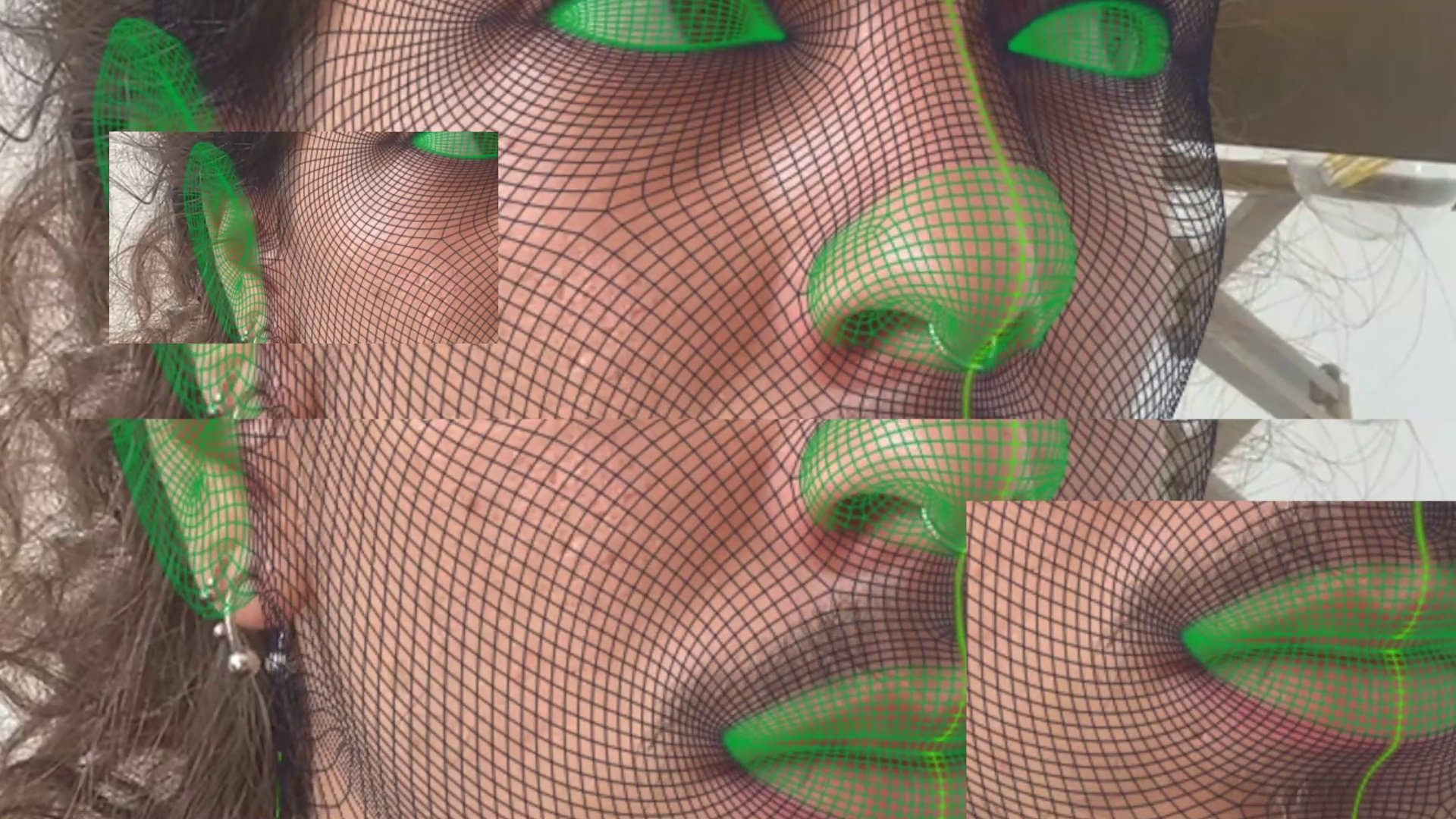
P'a Vida Toda
Bernardo Cantigas
Reaching for fata morgana
Inês Mendes Leal

Solta
Salomé Lamas